
Newshub archive
This month
The last thirty days of Exerginity briefs.

The Exergy of Electrification: Heat Pumps, Hydrogen and the Rational Use of Electricity
This technical report examines electrification through the lens of exergy, defining electricity as a premium carrier produced at nearly 100 percent quality. By auditing transport, heating, and industry, it introduces an 'electricity merit order' to prioritise high-leverage uses like heat pumps and electric motors. The document critiques 'carrier-neutral' accounting and identifies that a merit-order approach to domestic heating could reduce peak infrastructure demand by five-sixths compared to resistive or hydrogen-based alternatives.
White papers
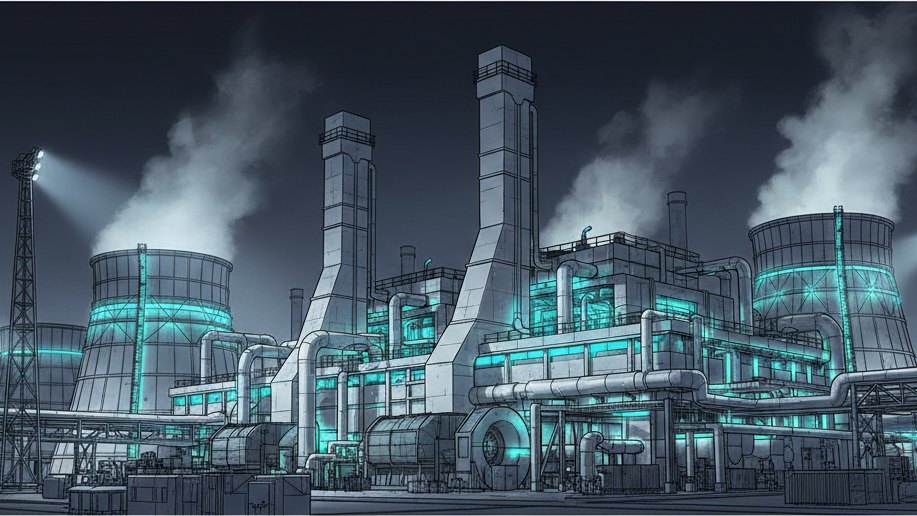
Waste Heat Is Not Waste: The Global Exergy Opportunity in Industry
This seventh volume in the Exerginity series evaluates industrial rejected heat, estimated at thousands of terawatt-hours annually, as a critical energy resource. By categorising heat into high, medium, and low temperature bands, author Wim Adriaan Bakker demonstrates how exergy-based assessments identify commercial recovery opportunities. The paper outlines a technical toolkit for using, moving, upgrading, converting, and storing heat across nine industrial sectors, concluding that temperature-graded inventories and formal offtake agreements are essential for establishing a viable recovery economy.
White papers
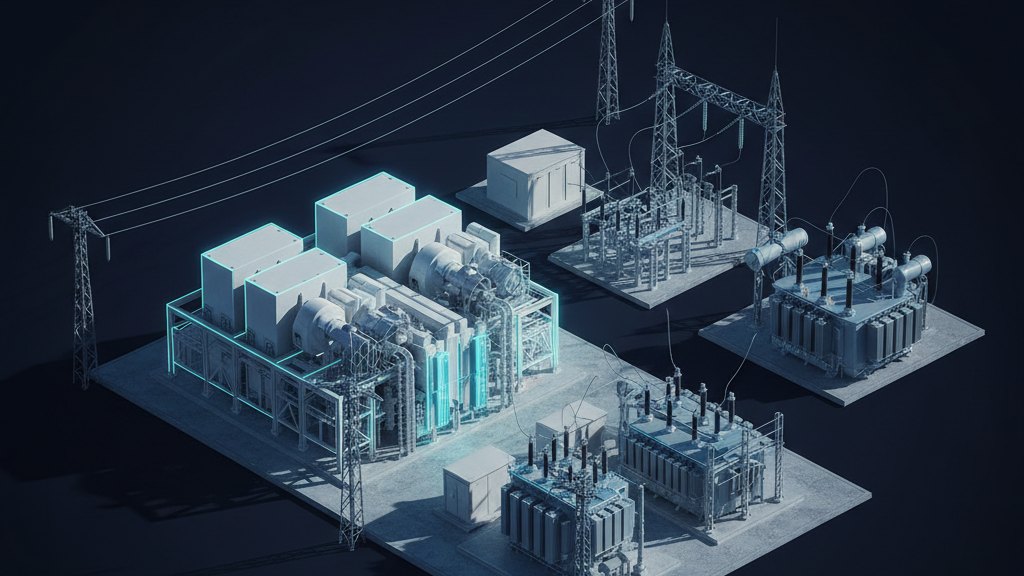
From Energy Transition to Exergy Transition: A Better Framework for Global Decarbonization
This white paper proposes the Exergy Transition framework to address limitations in carbon-only accounting. By applying energy, exergy, exergoeconomic, and exergoenvironmental analysis (the 4E method), the paper introduces three indicators: second-law efficiency, avoidable destruction cost, and avoidable impact. Wim Adriaan Bakker demonstrates how identifying thermodynamic irreversibilities can optimise decarbonisation routes, potentially reducing the required scale of new generation infrastructure by factors of three to five through more intelligent resource use and resource-quality management.
White papers
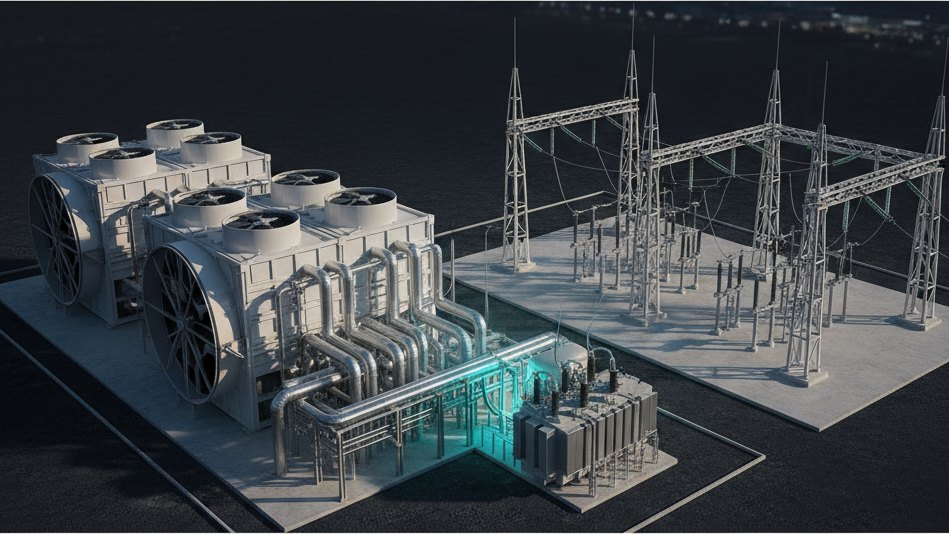
The Global Exergy Report: Where Humanity Destroys Useful Energy and What We Can Do About It
This report establishes an annual audit of global second-law efficiency, mapping the flow of six hundred exajoules harvested annually. Utilising engineering coefficients and historical exergy accounting, the research identifies seven primary sectors of destruction, including thermal power and low-temperature heating. It introduces the Exerginity Global Exergy Index (EGEI) to rank nations and industries, concluding that adopting ten specific technological levers, such as heat pumps and electrification, can double global energy intelligence within a generation.
White papers