
White papers
Every published white paper from Exerginity, in one place.
Recency
Tags
Sort
19 results

The Exergy of Electrification: Heat Pumps, Hydrogen and the Rational Use of Electricity
This technical report examines electrification through the lens of exergy, defining electricity as a premium carrier produced at nearly 100 percent quality. By auditing transport, heating, and industry, it introduces an 'electricity merit order' to prioritise high-leverage uses like heat pumps and electric motors. The document critiques 'carrier-neutral' accounting and identifies that a merit-order approach to domestic heating could reduce peak infrastructure demand by five-sixths compared to resistive or hydrogen-based alternatives.
White papers17 min read
Read article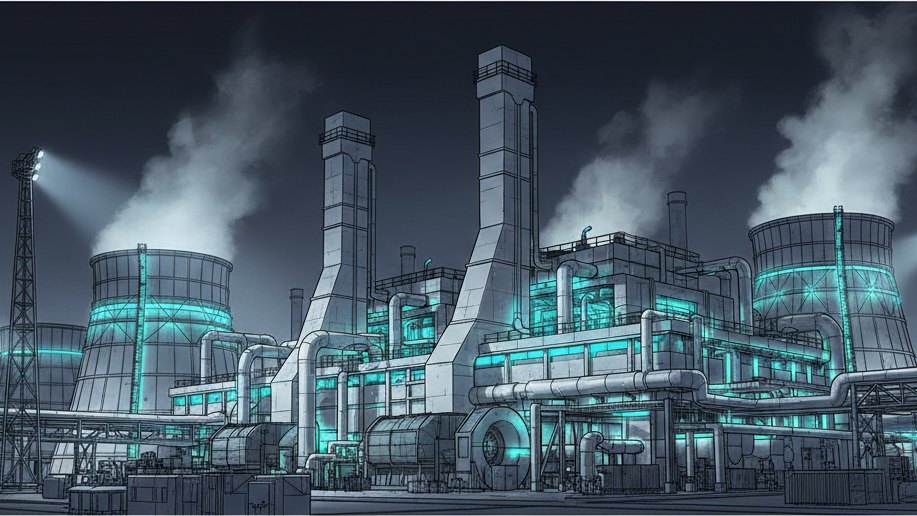
Waste Heat Is Not Waste: The Global Exergy Opportunity in Industry
This seventh volume in the Exerginity series evaluates industrial rejected heat, estimated at thousands of terawatt-hours annually, as a critical energy resource. By categorising heat into high, medium, and low temperature bands, author Wim Adriaan Bakker demonstrates how exergy-based assessments identify commercial recovery opportunities. The paper outlines a technical toolkit for using, moving, upgrading, converting, and storing heat across nine industrial sectors, concluding that temperature-graded inventories and formal offtake agreements are essential for establishing a viable recovery economy.
White papers17 min read
Read article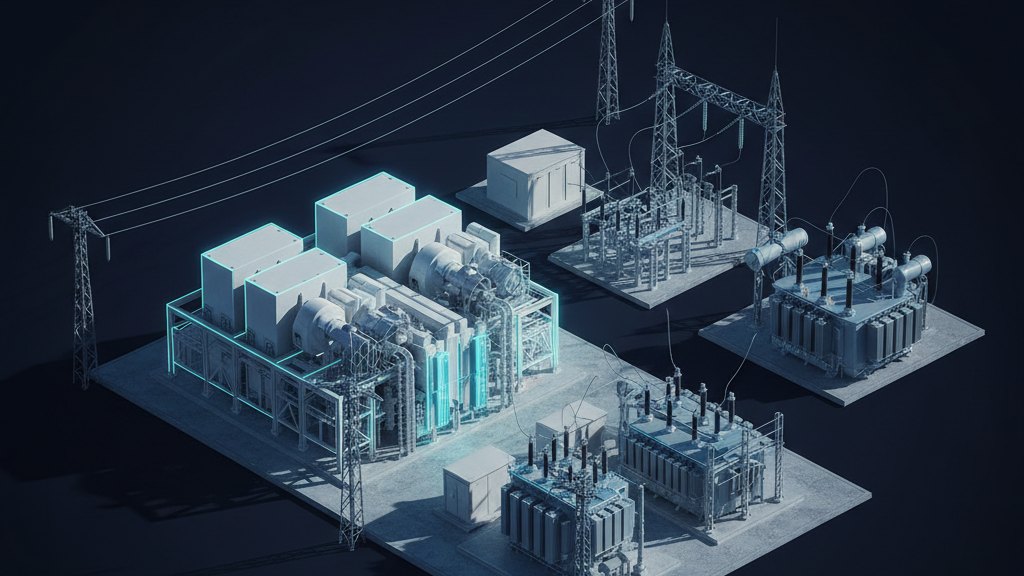
From Energy Transition to Exergy Transition: A Better Framework for Global Decarbonization
This white paper proposes the Exergy Transition framework to address limitations in carbon-only accounting. By applying energy, exergy, exergoeconomic, and exergoenvironmental analysis (the 4E method), the paper introduces three indicators: second-law efficiency, avoidable destruction cost, and avoidable impact. Wim Adriaan Bakker demonstrates how identifying thermodynamic irreversibilities can optimise decarbonisation routes, potentially reducing the required scale of new generation infrastructure by factors of three to five through more intelligent resource use and resource-quality management.
White papers16 min read
Read article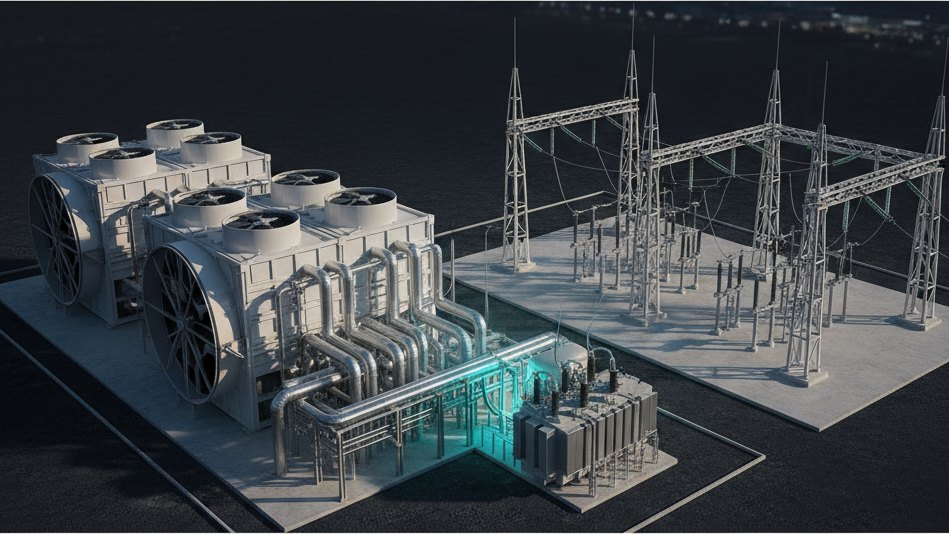
The Global Exergy Report: Where Humanity Destroys Useful Energy and What We Can Do About It
This report establishes an annual audit of global second-law efficiency, mapping the flow of six hundred exajoules harvested annually. Utilising engineering coefficients and historical exergy accounting, the research identifies seven primary sectors of destruction, including thermal power and low-temperature heating. It introduces the Exerginity Global Exergy Index (EGEI) to rank nations and industries, concluding that adopting ten specific technological levers, such as heat pumps and electrification, can double global energy intelligence within a generation.
White papers20 min read
Read article
Beyond Energy Efficiency: Why Exergy Should Become the New Measure of Industrial Efficiency
Authored by Wim Adriaan Bakker, this white paper demonstrates that traditional energy efficiency metrics mislead by ignoring energy quality, often inverting performance rankings. By applying second-law exergy analysis, the author shows that true societal efficiency resides between 10 and 25 percent rather than the reported 65 to 75 percent. The document proposes a transition to formal exergy standards, including equipment labelling, corporate accounting, and certified audits to identify avoidable losses that are invisible to standard energy balances.
White papers16 min read
Read article
Exergy and the Circular Economy
This technical white paper identifies mass-based metrics as insufficient for measuring material quality and thermodynamic investment. By defining matter as 'frozen work', author Wim Adriaan Bakker establishes a hierarchy of material value based on chemical and concentration exergy. The framework audits circular strategies, ranking reduction and reuse highest for preserving embodied work. The paper proposes four exergy-based indicators, including the exergy retention ratio, to replace 'tonnage theatre' with a physically grounded measurement of circular efficiency.
White papers16 min read
Read article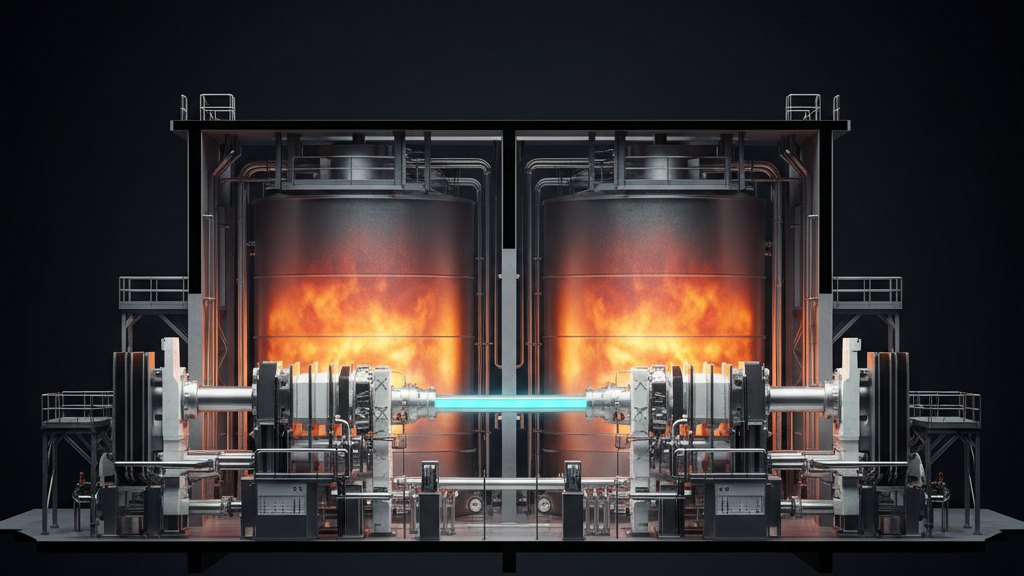
The Exergy of Energy Storage
This white paper redefines energy storage as the technology of time, moving beyond megawatt-hour metrics to evaluate work potential retention. Through a three-axis framework—exergy retention, duration, and cost decoupling—it audits electrochemical, mechanical, thermal, and chemical families. The analysis establishes the Portfolio Theorem, proving no single technology dominates. It concludes that progress is measured by exergy preserved, positioning thermal storage for heat duties and hydrogen for seasonal risks within a duty-led selection framework.
White papers16 min read
Read article
The Hidden Energy Cost of Artificial Intelligence: An Exergy Analysis of AI Data Centers
This white paper examines the thermodynamic efficiency of AI data centres, moving beyond quantity-based kilowatt-hour metrics to assess the quality of energy use. By applying the second law of thermodynamics, the research details how computational processes destroy pure exergy, resulting in concentrated heat rejection. It identifies liquid cooling as a critical bridge for thermal recovery in district heating, proposing that AI's concentrated load can be transformed into a reliable urban heat supply through improved disclosure and regulatory frameworks.
White papers18 min read
Read article
Exergy, LCA and Carbon Accounting: Building a Better Measure of Sustainability
This white paper proposes a three-line accounting framework—ExLCA—to resolve blind spots in current sustainability metrics. By combining carbon emissions, cumulative exergy demand, and exergy efficiency, the method identifies inefficient 'fourth quadrant' technologies like resistance heating and wasteful green hydrogen applications. The paper establishes five strict rules for implementation, including exergy-based allocation and service-term functional units, providing a diagnostic tool for engineering priorities and resource honesty in the energy transition.
White papers15 min read
Read article
The Exergy Economy: Why Energy Quality Matters More Than Energy Quantity
This white paper by Wim Adriaan Bakker for Exerginity examines the discrepancy between reported energy efficiencies and actual exergy destruction. While national statistics claim 65–75% efficiency, exergy audits reveal true resource-to-service rates of only 10–25%. The document outlines how adopting 'Exergist' disciplines—including exergoeconomics and exergetic life cycle assessment—can bridge the gap between technical readiness and commercial bankability by prioritising the preservation of work potential over the mere supply of energy quantities.
White papers17 min read
Read article
Cumulative exergy demand of primary aluminium, v1.0
A reference white paper presents the cumulative exergy demand from bauxite to primary aluminium ingot using physical allocation.
White papers1 min read
Read article
Energy and Exergy Analysis of Green Hydrogen Production
Thermal equilibrium modelling of biomass pyrolysis at 500 °C and gasification at 900 °C, with energy and exergy efficiencies computed for green hydrogen production under both process conditions.
v1.0 · Journal of Polytechnic 28(2) (2025)
White paper15 min readPınar Büyük, Ahmet Eryaşar
View white paper